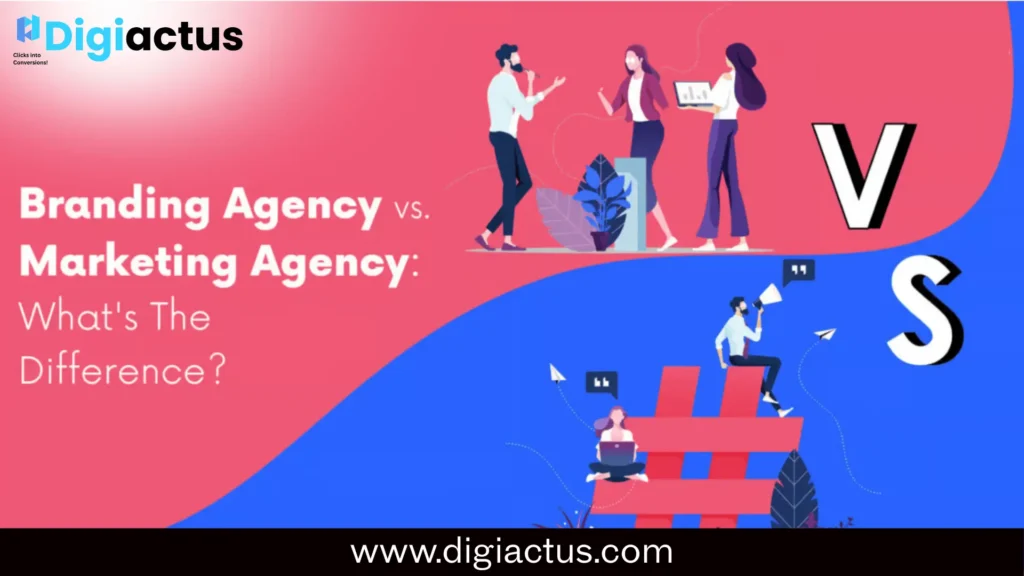
In the dynamic world of business development, the terms branding agency and marketing agency are often used interchangeably—especially by start-ups, new businesses, and SMEs. That confusion isn’t harmless. It leads to misplaced budgets, inconsistent messaging, and short-term tactics replacing long-term growth.
Understanding the real difference between a strategic branding agency and a marketing agency is critical if you want to build a business that scales with clarity instead of chasing attention endlessly.
Branding Agency: The Architects of Brand Identity
When you think about your business, what comes to mind? What emotions should customers associate with it? Why should they trust you—or pay more for you?
These are not marketing questions. They are branding questions.
A branding agency focuses on defining the essence of your business before a single campaign is launched. Unlike marketing agencies that promote offerings, branding agencies dig deeper to shape who you are as a brand.
Defining Your Brand’s Core
A branding agency acts like an architect, designing your brand from the ground up. This includes defining:
- Brand purpose, values, and mission
- Vision for long-term growth
- Target audience mindset
- Competitive positioning
The goal is to create a cohesive and authentic narrative that resonates emotionally and strategically with your audience.
A classic example is Innocent Drinks. Its playful tone, honest messaging, and human personality are not accidental marketing tactics—they are outcomes of a well-defined brand identity. Every touchpoint reinforces what the brand stands for, making it instantly recognizable in a crowded market.
This is where a strategic branding agency goes further—connecting brand identity directly to business outcomes like differentiation, pricing power, and loyalty.
Translating Strategy into Visual and Verbal Assets
Once the brand strategy is clear, a branding agency brings it to life through tangible elements:
- Logo and visual identity
- Colour systems and typography
- Brand voice and messaging guidelines
- Consistency across platforms
Apple is a textbook example. Its minimalist design, iconic logo, and clean communication all stem from a deliberate brand strategy centered on simplicity and innovation. These aren’t aesthetic choices—they’re strategic ones that support premium positioning.
Without this foundation, marketing execution becomes fragmented and forgettable.

Marketing Agency: Amplifying the Brand
Once the brand identity is defined, the next challenge is visibility and growth. This is where a marketing agency becomes essential.
Marketing agencies don’t define who you are—they ensure people hear about you.
Executing Campaigns That Drive Action
Marketing agencies specialize in execution and promotion. Their role includes:
- Digital and offline campaigns
- Performance marketing and lead generation
- Content distribution
- Conversion optimization
Nike’s marketing is a strong example. Its campaigns reinforce empowerment and performance, but they only work because the brand’s identity was defined long before the ads ever ran.
Marketing is most effective when it amplifies a clear brand story rather than trying to invent one on the fly.
Data, Trends, and Continuous Optimization
Beyond promotion, marketing agencies track performance and adapt to market behavior. Using analytics, consumer insights, and testing, they refine campaigns for better reach and conversion.
Coca-Cola’s “Share a Coke” campaign is a strong case of marketing insight in action—leveraging personalization trends to increase engagement and sales while staying true to the brand.
However, even the best marketing data can’t compensate for unclear positioning. Marketing can optimize reach, not identity.
Strategic Branding Agency vs Marketing Agency: Strategy vs Execution
Here’s the blunt reality:
- Branding decides what you stand for
- Marketing decides how you communicate it
- Strategy comes before scale
A strategic branding agency builds the foundation that marketing relies on. Without it, marketing becomes a cycle of tactics with diminishing returns.
This is where many businesses go wrong—they invest heavily in marketing before clarifying their brand, then wonder why results plateau.
Choosing the Right Partner for Your Business
Both branding and marketing agencies are essential—but timing matters.
When to Hire a Branding Agency
- You’re a start-up or new business defining your identity
- Your brand looks and sounds like competitors
- Customers don’t clearly understand your value
- You’re planning a rebrand or market expansion
A branding agency helps you define direction before spending money on promotion.
When to Engage a Marketing Agency
- Your brand strategy and messaging are clear
- You need visibility, leads, or market penetration
- You want to optimize performance across channels
Marketing works best when it’s amplifying clarity—not compensating for its absence.
Why Strategic Branding Comes First
Strong brands reduce marketing friction. Weak brands increase it.
Businesses that invest in strategic branding early:
- Spend less on customer acquisition over time
- Build trust faster
- Command higher perceived value
- Scale more consistently
Marketing delivers results. Branding makes those results sustainable.
If your marketing feels busy but directionless, the issue isn’t execution—it’s strategy.
Start by building a brand that marketing can actually scale.
Explore how a strategic branding approach can reposition your business for long-term growth at www.digiactus.com.

1 thought on “Strategic Branding Agency vs Marketing Agency Differences”
Pingback: Digital Brand Performance Metrics | Strategic Branding Guide